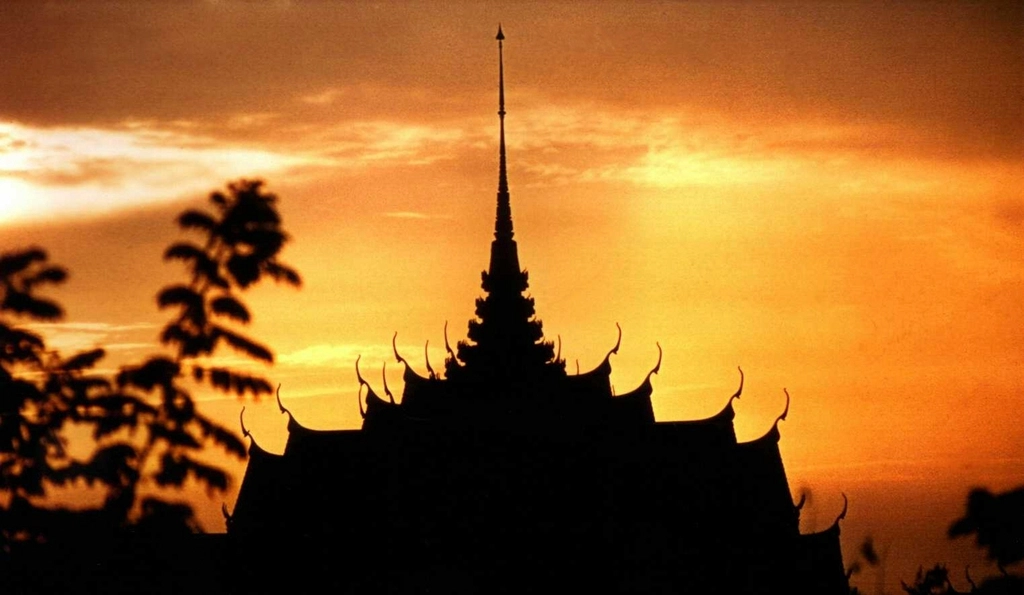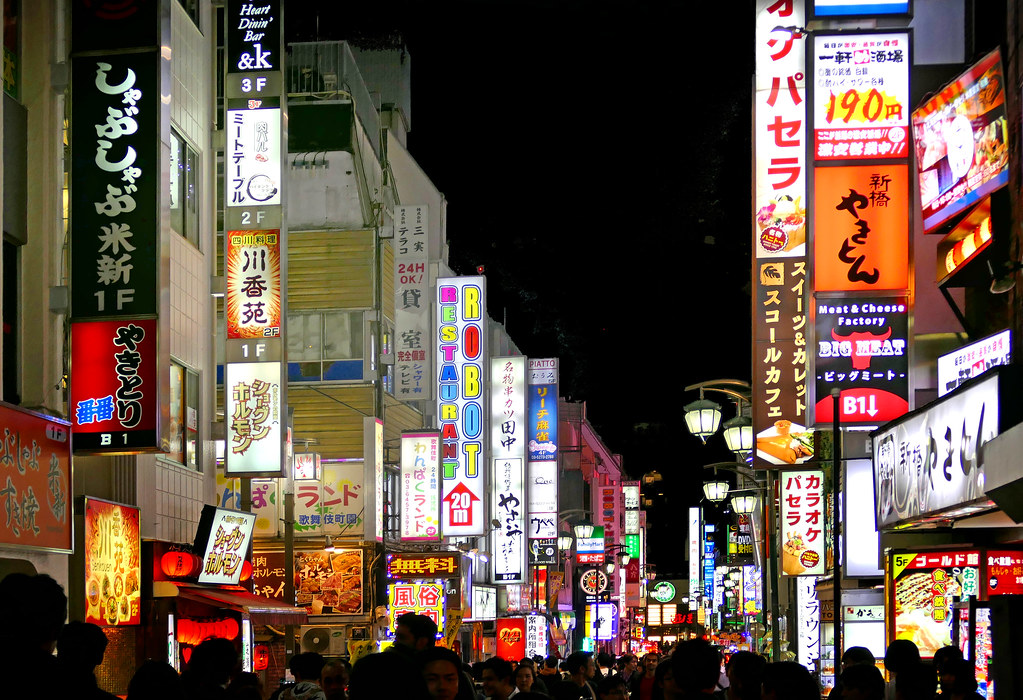
Step outside into the crisp winter air as neon lights begin to glow in Tokyo’s lively streets. Steam rises from a bowl of ramen, warming your hands as you hear distant temple bells in Kyoto. Farther away, snow quietly covers the rooftops of mountain villages. Japan in winter is a world of contrasts—modern and ancient, peaceful and energetic.
- Why Visit Japan in Winter?
- Top Winter Experiences in Tokyo, Osaka, and Kyoto
- Adding Snow and Onsen to Your Trip
- Food, Practical Tips and Budget Planning
- Itinerary Tips: Making the Most of 8–10 Days
- Questions travellers ask
Why Visit Japan in Winter?
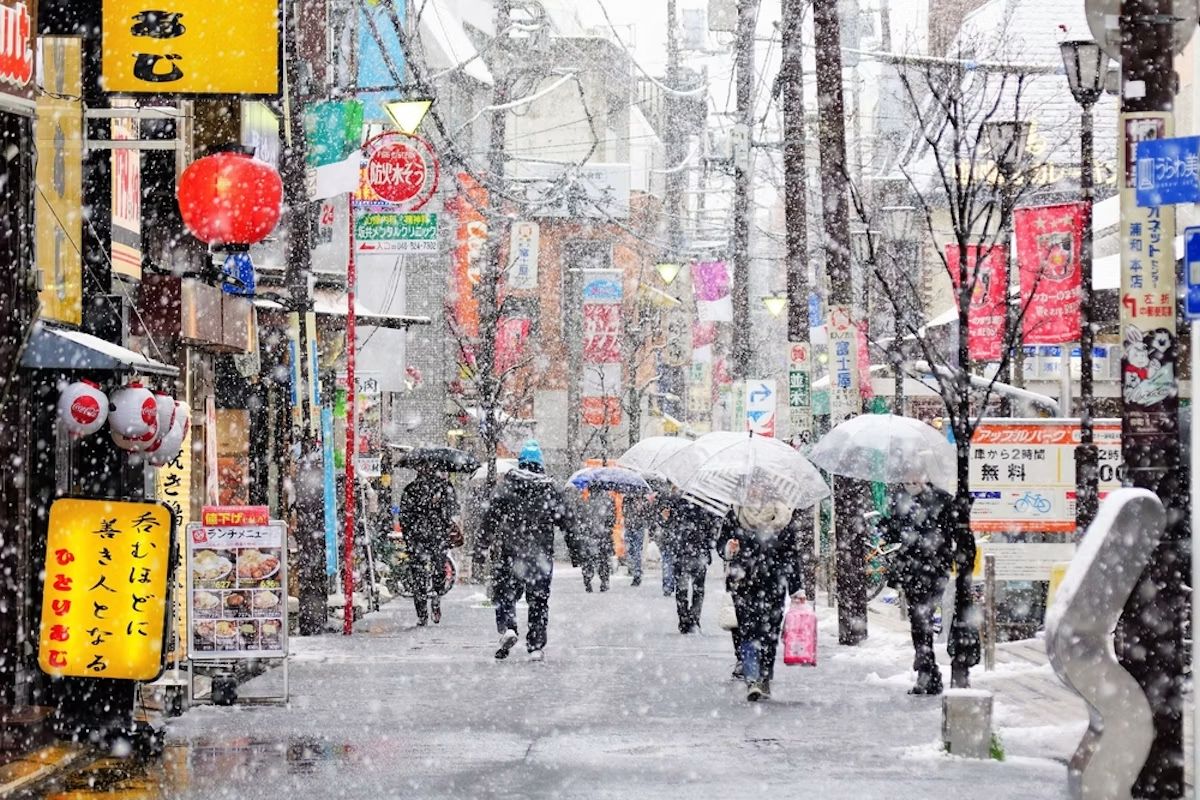
Winter is a wonderful time to explore Japan. The biggest cities—Tokyo, Osaka, Kyoto—come alive with seasonal lights, comfort food, and quieter attractions. You can enjoy views of Mount Fuji under a snowy crown, soak in steaming hot springs, and find festive spirit at every corner.
Unlike the heavy monsoon in India, Japanese winters can be cold but refreshing, with clear skies and a lively atmosphere. While you may not find lots of snow in the main cities, you can add snowy destinations to your trip for that magical winter feel.
Top Winter Experiences in Tokyo, Osaka, and Kyoto
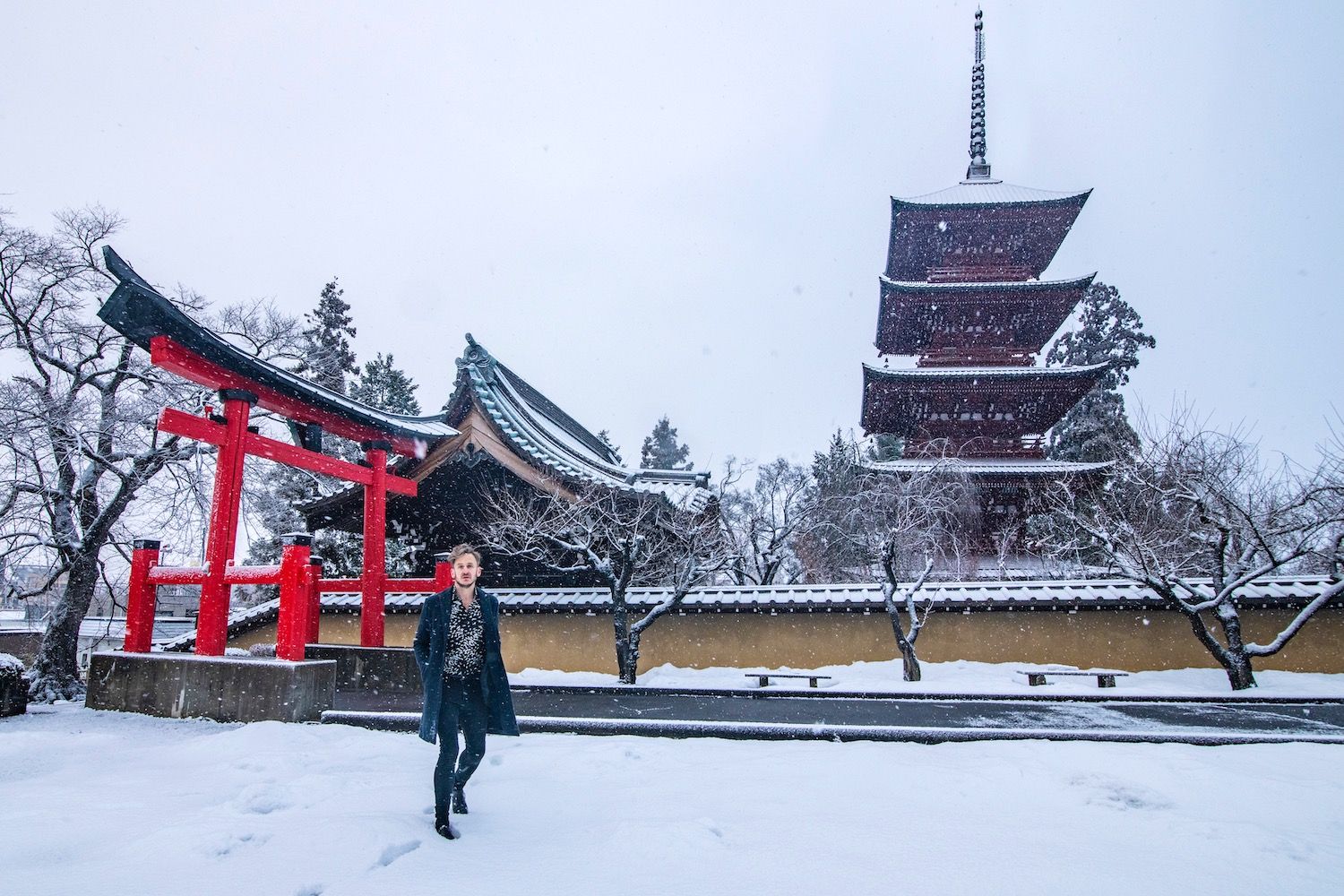
- Walk under red lanterns to Senso-ji Temple and enjoy street food in Asakusa, Tokyo.
- Cross the famous scramble at Shibuya Crossing or discover modern art at teamLab Planets.
- In Osaka, watch neon signs reflect on the canal in Dotonbori, and try takoyaki (octopus balls) or okonomiyaki (Japanese pancake).
- Kyoto offers timeless beauty—wander through silent bamboo groves at Arashiyama, or step beneath thousands of vermillion torii gates at Fushimi Inari.
- Don’t miss a traditional Japanese tea ceremony and a visit to the Golden Pavilion (Kinkaku-ji) in Kyoto.
Japan in winter gives you a taste of both city lights and snowy peace in the same unforgettable trip.
Adding Snow and Onsen to Your Trip
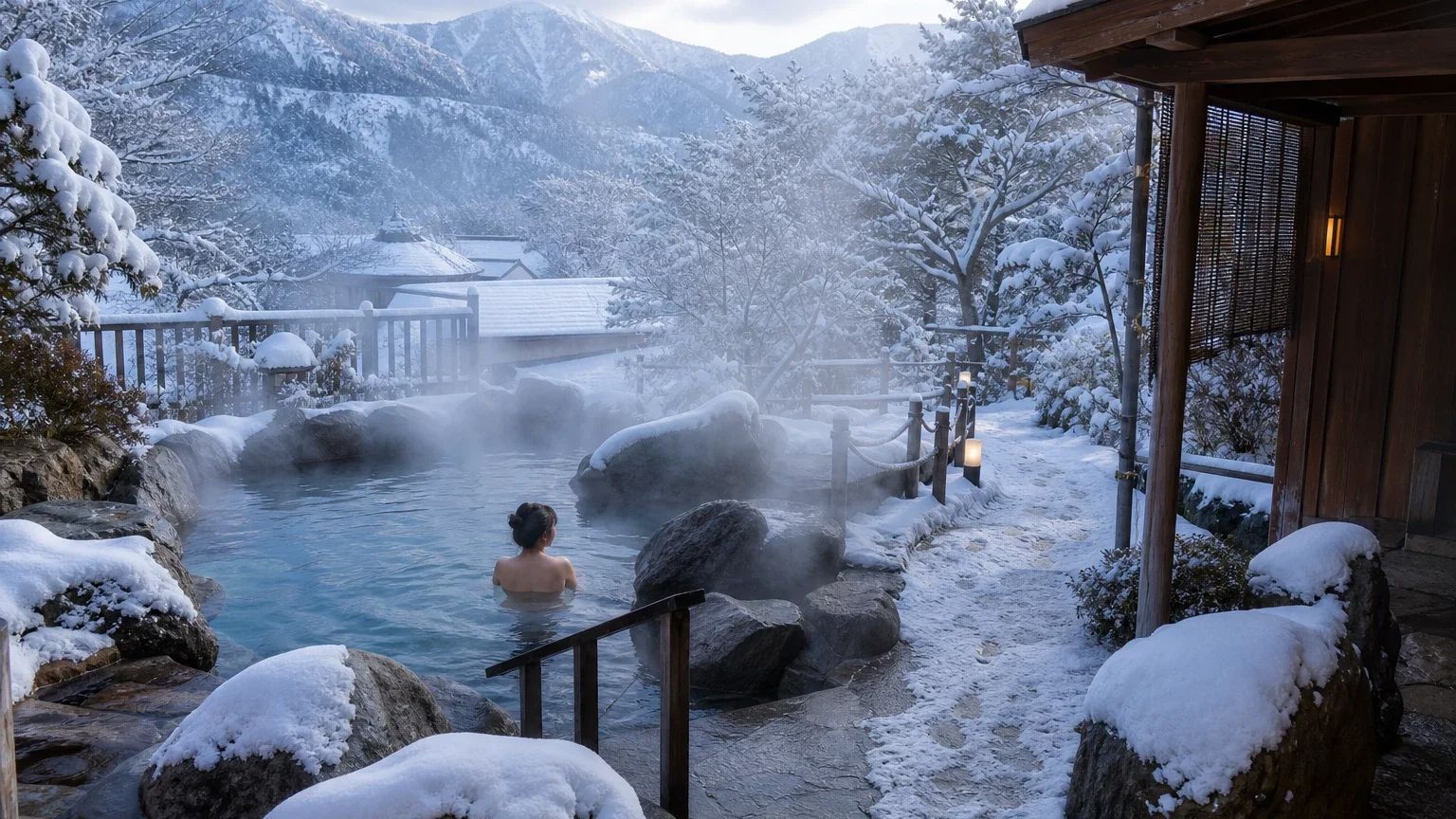
If you dream of seeing snow, plan a visit to places like Shirakawa-go, a postcard-perfect village with snowy rooftops, or Nagano, famous for snow monkeys bathing in hot springs. For a relaxing break, stay in Hakone, where you can enjoy an overnight in a ryokan (traditional inn) with hot onsen baths and mountain views.
A day trip to Lake Kawaguchi outside Tokyo gives you a grand view of Mount Fuji, especially stunning on bright winter days. Remember, visibility depends on weather—clouds can easily hide the mountain!
Hand-picked packages
 Japan Uncovered – Tokyo, Hakone, Kyoto, Osaka & Hiroshima 9 Nights / 10 DaysView itinerary →
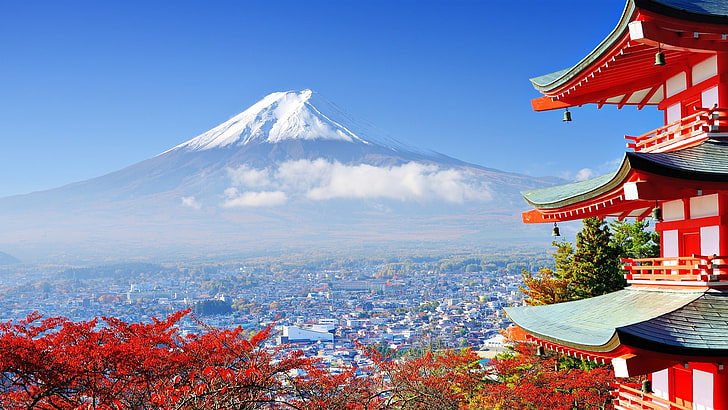 Japan Golden Route Tour7 Nights / 8 DaysView itinerary →
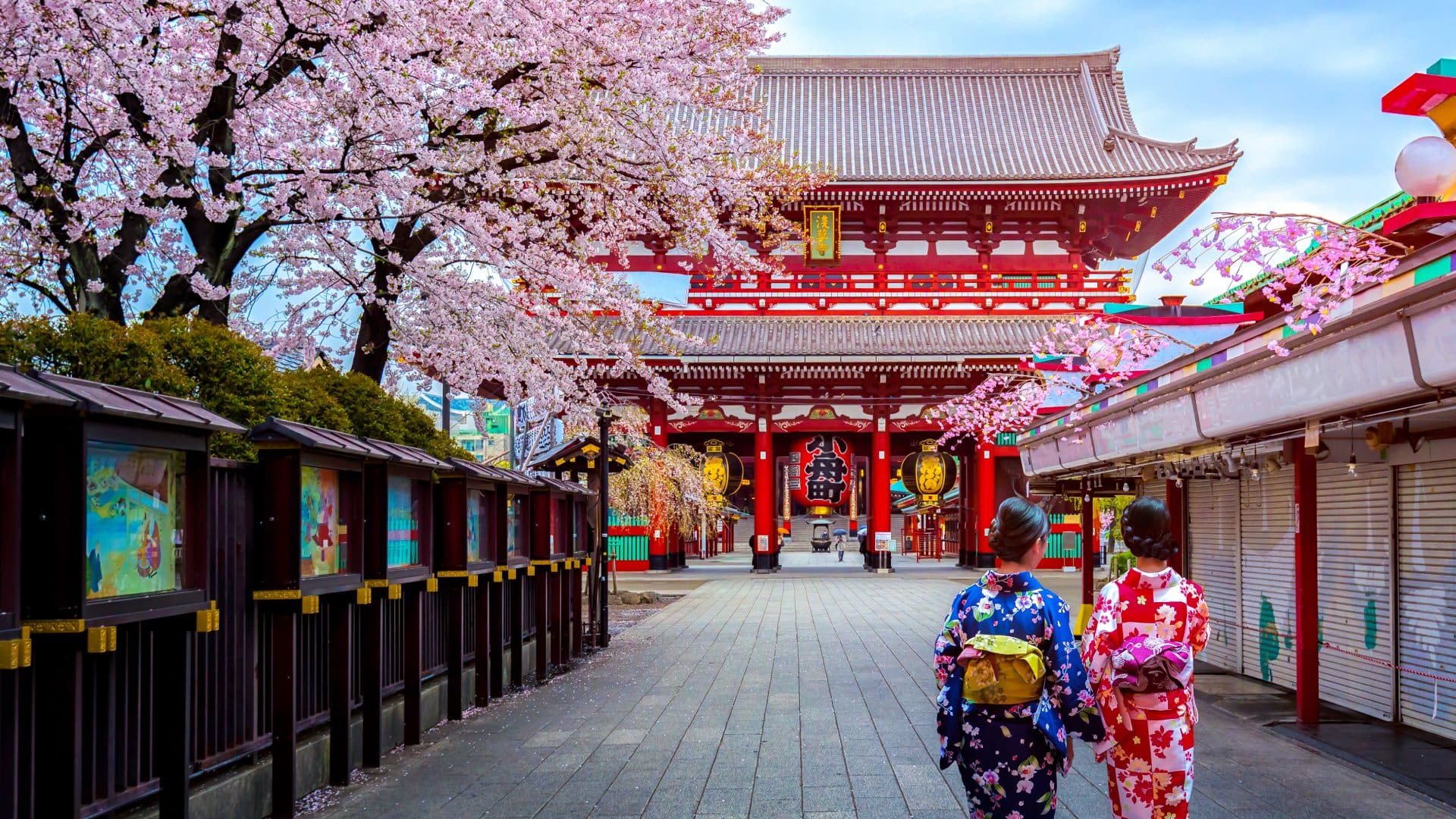 Classic Japan Journey – Fuji, Kyoto & Bullet Train 8 Nights / 9 DaysView itinerary →
 Japan Highlights – Tokyo, Hakone, Hiroshima & Osaka7 Nights / 8 DaysView itinerary →
Food, Practical Tips and Budget Planning

Winter is the best time for hot ramen, hearty nabe (hot pot), and seasonal street snacks. Indian vegetarians or Jains should carefully check ingredients, as broths often use fish or meat stock. Look for places with English menus or ask for 'yasai' (vegetable) dishes.
The Japan tourist visa usually requires some documents and an itinerary. Trip Inventor can help with the process and planning all details. Local travel is easy with bullet trains (Japan Rail Pass is worth it for multi-city travel) or regional passes for subway and buses. Budget travellers will find hostels and mid-range hotels, while those seeking more luxury will enjoy city hotels and traditional ryokan stays.
Planning your next holiday?
Tell us your dates and budget. A Trip Inventor expert will design it around you – hotels, transfers, sightseeing and visa help included.
Get a free quoteWhatsApp an expertItinerary Tips: Making the Most of 8–10 Days
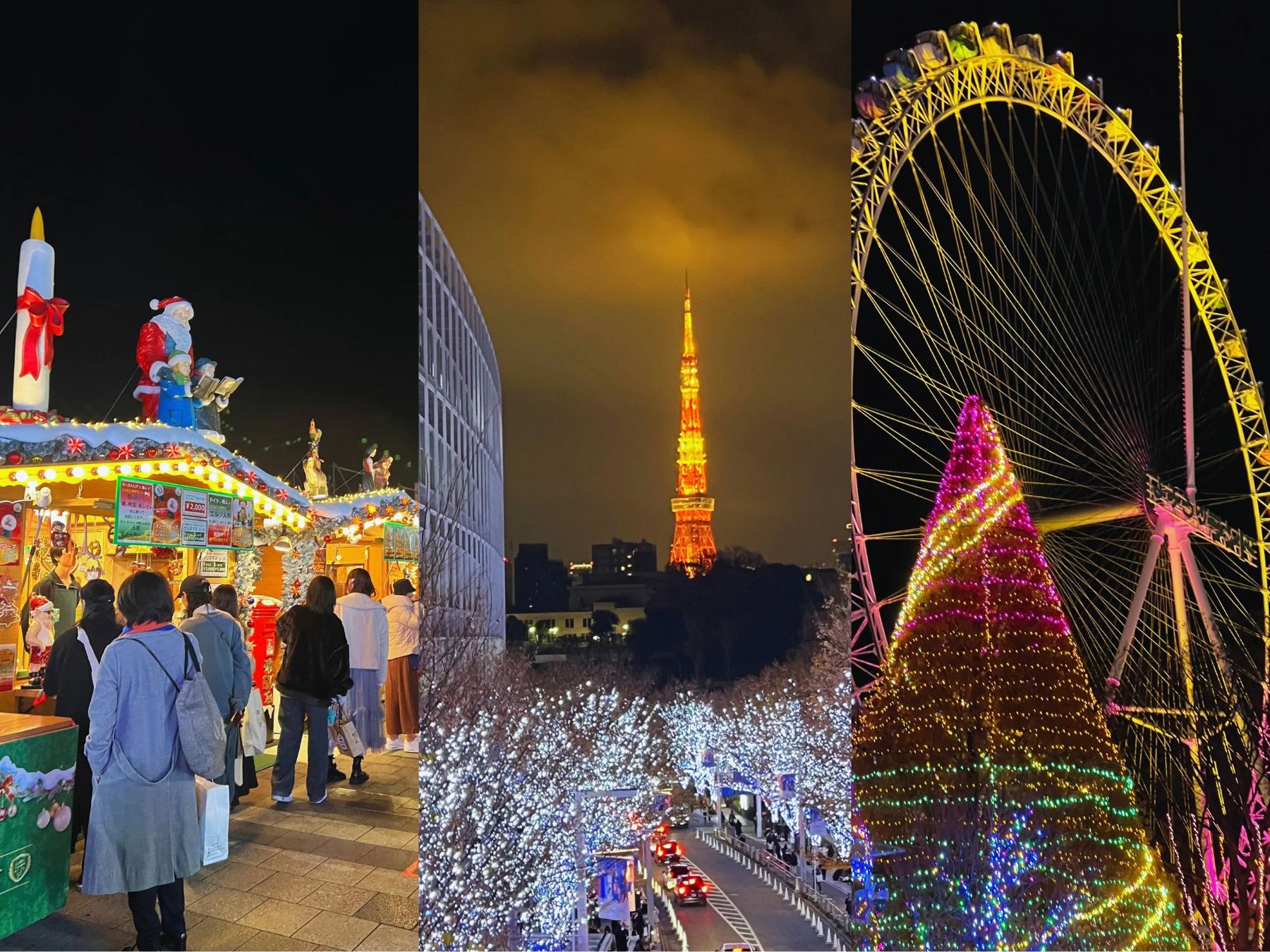
For a first winter holiday, start with 3–4 nights in Tokyo, including a Mount Fuji day trip. Move to Osaka, and spend 2–3 nights exploring its food, shopping, and a day trip to Kyoto or Nara. Add a ryokan or snow-hamlet stay for an authentic winter touch if time permits.
- Book hotels near main stations to save on expensive taxis.
- Dress in layers, as it’s cold outside but warm indoors.
- Enjoy both busy markets and quiet temple gardens—each offers a different side of Japan.
Questions travellers ask
Is a Japan visa easy for Indian citizens to get?
Japanese tourist visas are straightforward with proper documents and a planned itinerary. Allow a few weeks for processing and check for latest requirements.
Will I see snow in Tokyo or Kyoto in winter?
Snowfall in Tokyo and Kyoto is rare. For guaranteed snow, include mountain regions like Shirakawa-go or Nagano in your trip.
What food options are available for vegetarians in Japan?
While Japan is famous for seafood and meat dishes, vegetarian options are available. Always confirm ingredients, and try dishes like vegetable tempura, udon, or ask for vegetarian ramen.
Does it snow in Tokyo, Osaka, and Kyoto?
Snowfall is possible, but it is not guaranteed. Tokyo and Osaka generally experience cold winters with limited snowfall, while Kyoto can occasionally see snow that adds a beautiful touch to its temples and traditional streets. If seeing snow is a priority, consider adding destinations such as Nagano, Hokkaido, or Shirakawa-go to your itinerary.
Can I see Mount Fuji in winter?
Yes, winter can be an excellent season for Mount Fuji views because the air is often clearer. Lake Kawaguchi is a popular place to enjoy views of the mountain, take photographs, and explore the surrounding area. However, visibility depends on the weather, so a clear view cannot be guaranteed. Keep some flexibility in your day trip if Mount Fuji is one of your main reasons for visiting Japan.
Is 7 days enough to explore Tokyo, Osaka, and Kyoto?
Seven days can cover the highlights, but the trip will feel fairly busy. A practical plan is to spend three days in Tokyo, two days in Kyoto, and two days in Osaka, including travel between cities. If you also want to visit Mount Fuji, Nara, or Universal Studios Japan, consider extending the trip to eight or nine days.
Is Kyoto worth visiting in winter without cherry blossoms?
Definitely. Kyoto is not only about cherry blossoms. Its temples, shrines, traditional streets, Japanese gardens, and tea ceremonies can be enjoyed throughout winter. Places such as Fushimi Inari Taisha, Kiyomizu-dera, and Kinkaku-ji are still worth visiting in colder months. You may also find some popular areas less crowded than during peak cherry blossom season, although major attractions can remain busy.
Should I visit Tokyo Disneyland or DisneySea in winter?
Both parks offer a different experience. Tokyo Disneyland is a great choice for classic Disney attractions and family-friendly entertainment, while Tokyo DisneySea is known for its distinctive themed environments and attractions. Your choice should depend on the travellers’ ages, interests, and available time. Winter can be cold, so plan for outdoor queues and check the operating schedule before booking.
Written by Uddesh for Trip Inventor. Travel rules can change – please confirm visas and entry requirements before you travel, or ask our team.