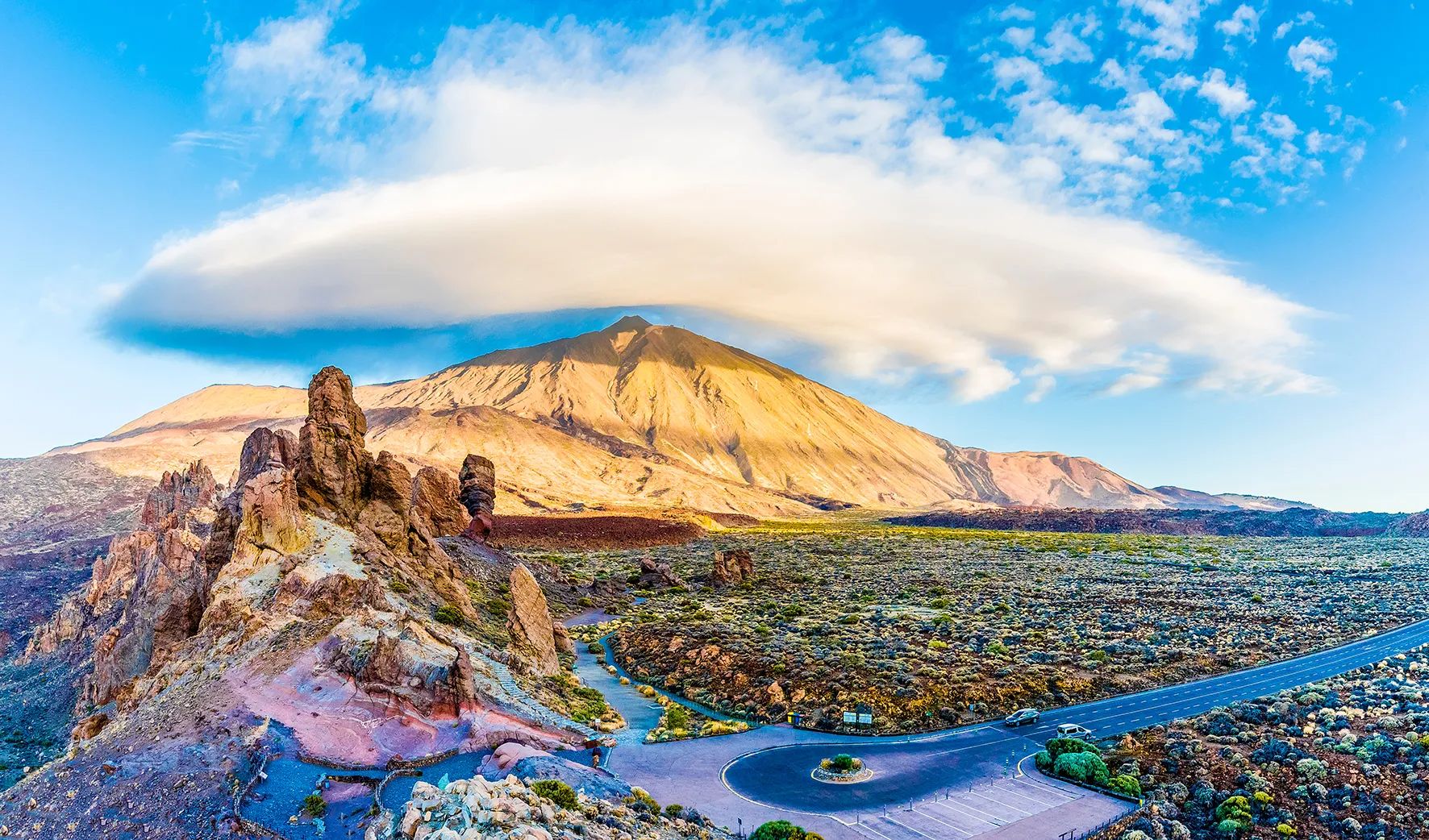
Picture a black-sand volcanic trail glowing under a soft winter sun, with the blue Atlantic shining just beside it. A few hours earlier, you could have been in a cold, grey European city. In the Canary Islands, winter feels more like a gentle spring, and it is a very pleasant place to spend your holidays.
- Why the Canary Islands make a lovely winter escape
- Tenerife: the all-rounder
- Gran Canaria, Lanzarote and Fuerteventura: three different moods
- Quieter islands and special experiences
- Sample itineraries for Indian travellers
- Weather, best time and practical tips
- Questions travellers ask
Why the Canary Islands make a lovely winter escape
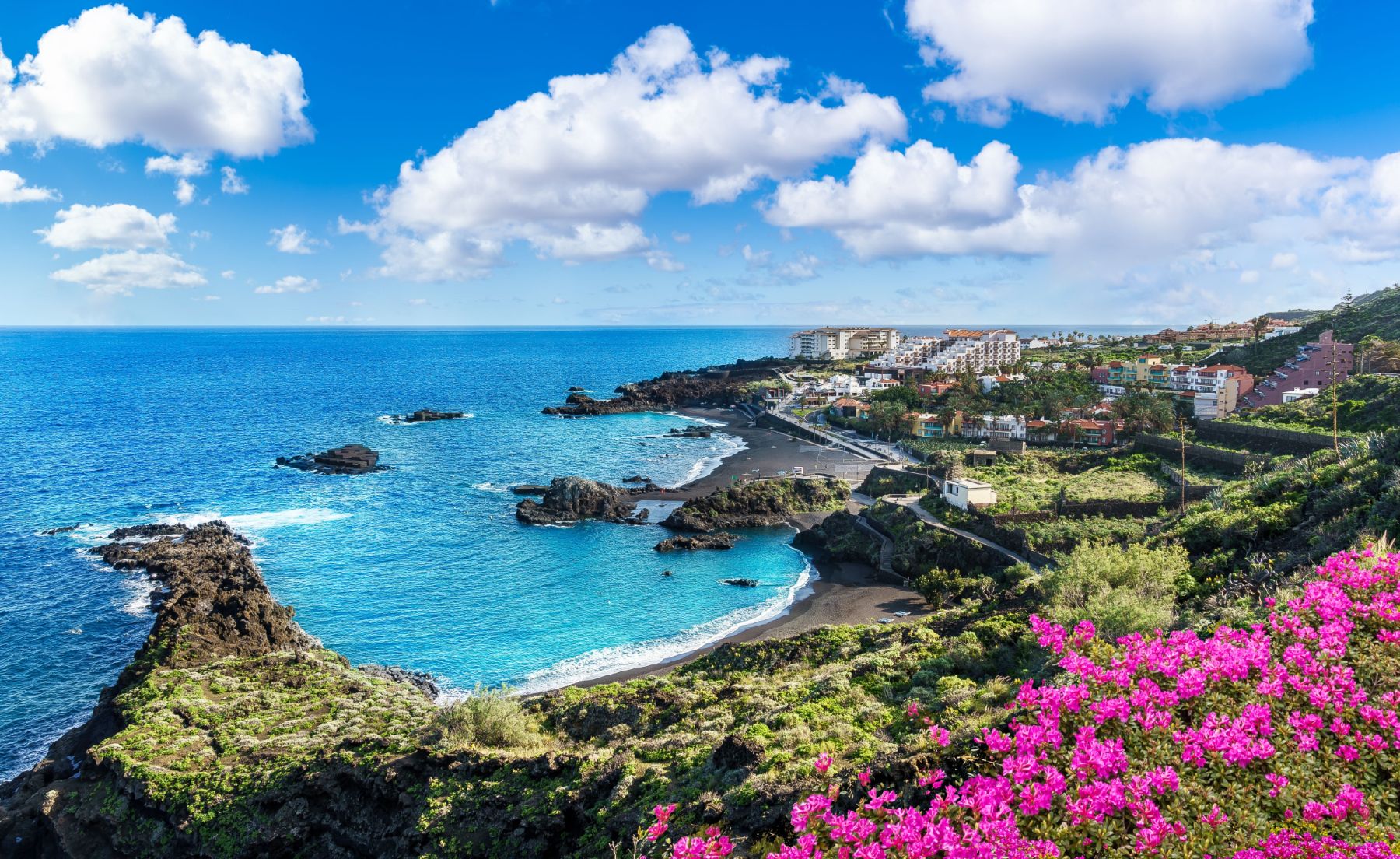
The Canary Islands belong to Spain, but they sit in the Atlantic Ocean, close to the northwest coast of Africa. This is why their winters are so mild. While Germany, Austria and Switzerland shiver, the coast here is usually around 18°C to 23°C in the daytime.
The weather is only one reason to go. Each island has its own personality.
- Volcanic scenery: Craters, lava fields and underground tunnels.
- Beaches: Golden sand, quiet coves and long Atlantic shores.
- Adventure: Hiking, surfing, cycling and boat trips.
- Village life: Whitewashed lanes, local markets and seaside restaurants.
- Island-hopping: Combine two islands for very different moods in one trip.
It is a good choice if you want a European holiday without the winter chill.
Tenerife: the all-rounder
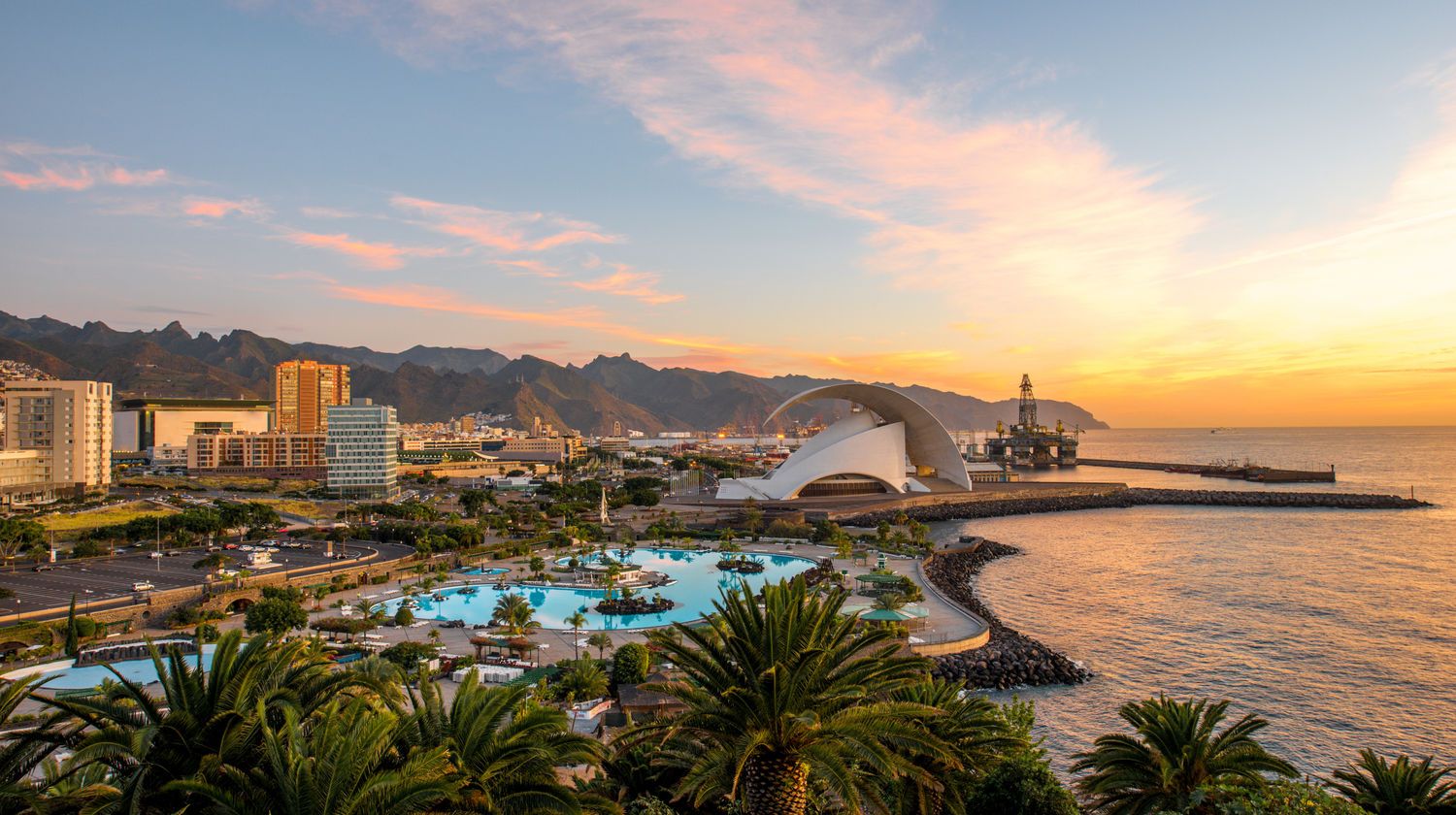
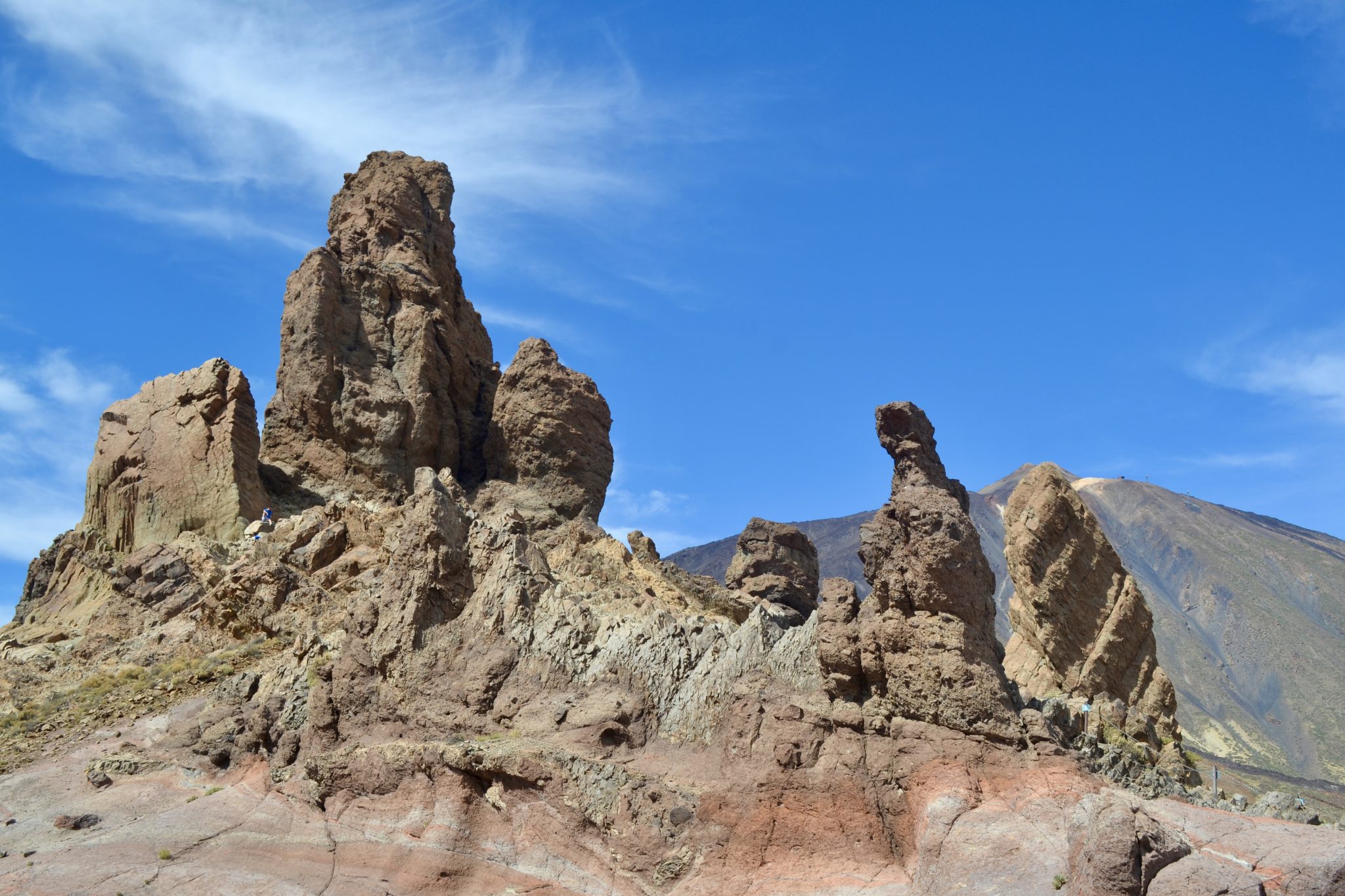
Tenerife is the largest island and an easy pick for first-time visitors. It has sunny beach resorts in the south, old towns in the north and Mount Teide in the middle. Teide is the highest mountain in Spain. Its upper slopes can even see a little snow in winter, which looks striking against the warm coast below.
Do not miss:
- Teide National Park: Drive through a rocky, otherworldly landscape and take the cable car up. Book ahead, especially if you want to reach the summit, as permits are needed.
- Whale and dolphin trips: Boats leave from Costa Adeje and Los Cristianos. Pick an operator that follows responsible wildlife guidelines.
- Masca village: A tiny mountain village with steep cliffs and winding roads. Photographers love it.
- La Laguna: A UNESCO World Heritage town with colourful streets and cosy cafés.
- Siam Park and Loro Parque: Good picks if you are travelling with children.
Tenerife suits families, couples and anyone who wants a bit of everything.
In the Canaries, winter does not mean wool and frost. It means sunshine, sea air and a volcano waiting at the end of the road.
Gran Canaria, Lanzarote and Fuerteventura: three different moods
Gran Canaria is often called a miniature continent. In one short drive you can go from beaches to green mountains and deep valleys. Walk the golden Maspalomas dunes at sunrise or sunset. Spend a slow afternoon in Puerto de Mogán, a pretty fishing village with flower-lined lanes and a lovely marina. Hikers enjoy the rock formation of Roque Nublo, while Las Palmas has history, shopping and a beach. Its old Vegueta district is great for an evening stroll.
Lanzarote is for people who want something different. Black lava fields and red mountains make Timanfaya National Park feel like another planet. Underground, Cueva de los Verdes is a lava tunnel formed long ago, and Jameos del Agua is a volcanic cave turned into a striking cultural space. Much of the island's character comes from the artist César Manrique, who blended art with nature. Finish with a beach day at Papagayo.
Fuerteventura is all about space and calm. Think wide beaches, big dunes at Corralejo and clear water. It is a favourite with surfers and kitesurfers because of the Atlantic winds. Take a short boat ride from Corralejo to little Lobos Island for walks and quiet beaches, and visit the old village of Betancuria for a look at local heritage.
Hand-picked packages

Quieter islands and special experiences
If you want fewer crowds, add a smaller island.
- La Palma: Called the beautiful island, it is green and peaceful. Hike in Caldera de Taburiente National Park and book a guided stargazing evening, as the skies here are famously clear.
- La Gomera: A short ferry ride from Tenerife. Garajonay National Park has ancient laurel forests, and locals have a unique whistled language called Silbo Gomero.
- La Graciosa: A calm island north of Lanzarote, perfect for cycling and a day trip.
- El Hierro: A quiet island with natural swimming pools and good diving.
If you travel in February, check the dates for the Carnival in Santa Cruz de Tenerife. It is a lively mix of costumes, music and parades. Las Palmas also celebrates its own carnival. Dates change every year, so confirm them before you book.
Planning your next holiday?
Tell us your dates and budget. A Trip Inventor expert will design it around you – hotels, transfers, sightseeing and visa help included.
Get a free quoteWhatsApp an expertSample itineraries for Indian travellers
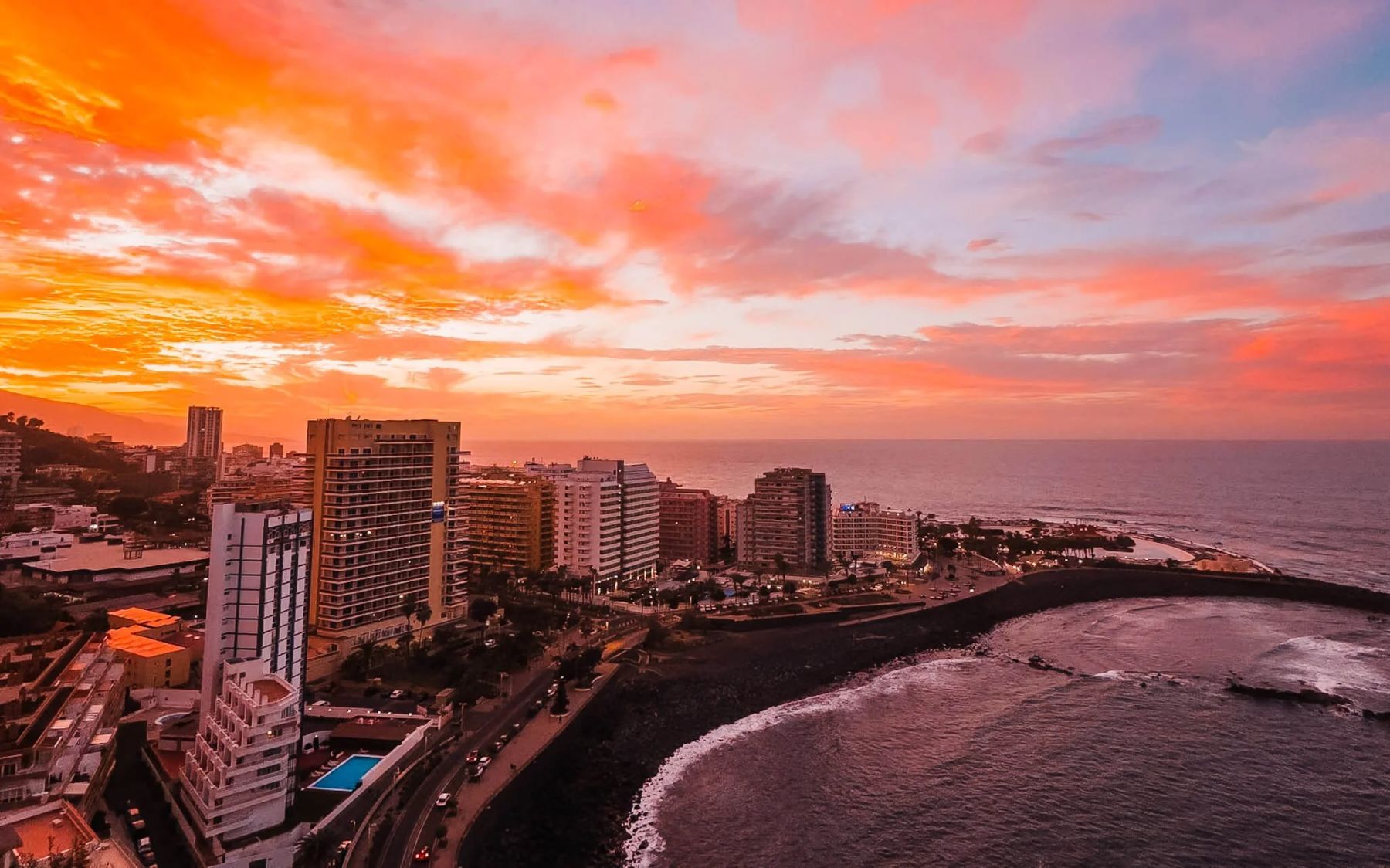
Most Indian families prefer to keep things simple. Here are a few combinations that work well.
Tenerife, 6 nights: Arrive in Costa Adeje, then spend days on Teide, whale watching, Masca and Los Gigantes, La Laguna, and a relaxed beach or Siam Park day.
Tenerife and Gran Canaria, 8 nights: Four days in Tenerife, then move to Gran Canaria for the Maspalomas dunes, Puerto de Mogán, Roque Nublo and Las Palmas.
Lanzarote and Fuerteventura, 7 nights: Timanfaya, the caves and Papagayo in Lanzarote, then a ferry to Fuerteventura for Corralejo and Lobos Island.
Tenerife and La Gomera, 9 nights: Six nights in Tenerife, then a ferry to La Gomera for forests and village walks.
Trip Inventor can plan these routes with flights, hotels, transfers and ferry connections, and adjust them to your pace.
Weather, best time and practical tips
The Canary Islands have a mild, subtropical climate. From November to March the coast is generally pleasant, but conditions vary by place.
- South Tenerife and Gran Canaria: Usually the sunniest choice in winter.
- Northern coasts: Can be cloudier.
- Mountains: Much colder, with occasional snow on high peaks.
Month by month: November and December suit festive, relaxed trips. January and February are good for sightseeing, hiking and Carnival. March is lovely for beaches and island-hopping before summer crowds.
Tips for Indian travellers:
- Indian passport holders need a Schengen visa for Spain. Apply early and check the latest document rules on the official website.
- Pack a light jacket, layers, sunscreen and comfortable walking shoes.
- Spanish meals are often later than we are used to. Look for fresh seafood, local potatoes and tasty island sauces. Vegetarians should ask in advance, as options can be limited in small places.
- Book popular things like the Teide cable car and boat trips ahead of time.
- Renting a car helps for villages and viewpoints, but mountain roads can be winding.
Questions travellers ask
Is the Canary Islands a good winter destination?
Yes. Coastal areas are usually mild, with daytime temperatures often around 18°C to 23°C from November to March. The south of Tenerife and Gran Canaria is generally the sunniest.
Do Indian travellers need a visa for the Canary Islands?
Yes. The islands are part of Spain, so Indian passport holders generally need a Schengen visa. Rules and documents can change, so check the latest requirements before applying.
Which Canary Island is best for first-time visitors?
Tenerife is a great first choice. It offers beaches, Mount Teide, whale watching, historic towns and family attractions, all on one island.
Written by Uddesh for Trip Inventor. Travel rules can change – please confirm visas and entry requirements before you travel, or ask our team.